


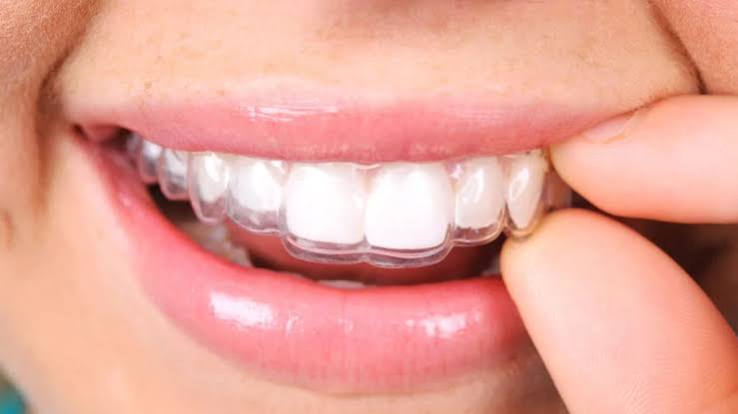

Clear-aligner cost in Greensborough depends on the tooth and bite changes being planned, the number of aligners and review stages, records and scans, attachments or other aids, and whether refinement aligners are needed. A short cosmetic alignment and a complex bite correction do not represent the same treatment.
No dollar figure appears here because G Dental’s payment details require confirmation, and a health-service price must state its inclusions and exclusions. An individual examination is the point at which the dentist can say whether aligners are suitable and provide a written plan.
What does an aligner estimate usually need to cover?
Clear-aligner treatment is more than a set of plastic trays. The pathway can include examination, dental records, photographs or scans, planning, the aligners, attachments, review appointments, refinements and retention after active movement.
Ask for each part to be listed. An estimate that ends when the last active tray is worn may not include retainers. Another may include a defined refinement stage while a cheaper-looking option charges separately.
The G Dental Invisalign service page explains the practice’s treatment pathway. The dentist must still confirm what applies to your teeth.
Do not assume a brand name settles clinical suitability. Clear aligners are a method of moving teeth, and the diagnosis and plan come first.
Complexity of the tooth movement
The starting position of the teeth and bite affects the amount of planning and number of stages. Mild spacing or crowding can differ from rotations, vertical movement or a bite problem involving several teeth.
Some movements are less predictable with aligners alone. Attachments, elastics, reshaping between teeth or another approach may be discussed.
The dentist should explain the aims and limits without promising a perfect or exact digital outcome. A computer animation is a plan, not a guarantee of biological response.
Ask which concerns the aligners are intended to address and which will remain unchanged. That keeps cosmetic expectations separate from clinically necessary treatment.
The number of aligners and treatment stages
A more involved plan may use more aligners and reviews. However, tray count alone is not a reliable measure of quality or value. Different systems and staging decisions can produce different numbers for similar goals.
Ask how often trays are expected to change and how reviews are scheduled. Follow the prescribed sequence rather than moving ahead because a tray feels loose.
Treatment duration varies with the plan, wear, oral health and how teeth respond. Do not rely on an advertised average as a promise for your case.
If you lose trays or do not wear them as directed, replacement or revised planning may affect time and cost. Ask how those situations are handled.
Attachments and other planned aids
Attachments are small tooth-coloured shapes bonded to selected teeth to help aligners apply a planned force. Their number and position depend on the required movement.
They may be included in the original plan, removed and replaced during treatment, or changed for refinements. Ask whether bonding and removal are included.
G Dental’s article on Invisalign attachments explains how they work. Visibility varies with position, material, lighting and the individual tooth.
Elastics or other aids may also be recommended. The written plan should say what you need to do, because aligners rely heavily on daily cooperation.
Records, scans and X-rays
The dentist needs enough information to assess teeth, roots, gums and bite. Records may include photographs, a digital scan and clinically justified X-rays.
Ask whether the records are included and whether any are performed externally. Existing recent images may be relevant, but the treating dentist decides whether they answer the current question.
The Australian Dental Association provides patient information on dental X-rays and why they are selected according to need.
Records also create a baseline for monitoring. They should be stored as part of your clinical file, not used as an advertising before-and-after feature without specific consent and appropriate context.
Dental health before aligners
Active decay and gum disease may need treatment before movement begins. Aligners cover the teeth for much of the day, so cleaning and oral health require attention.
An assessment may lead to a check-up, clean, filling or gum treatment first. Ask which work is necessary for safe treatment and which is elective or unrelated.
G Dental provides dental check-ups and cleans in Greensborough. That page covers the health assessment supporting any cosmetic or orthodontic plan.
Starting aligners without addressing disease can complicate treatment. This is not a reason to sell extra services; each recommendation should have a clinical explanation.
Refinement aligners
Teeth do not always follow the digital plan exactly. A refinement is an additional set of aligners planned after reassessment to address remaining movements.
Ask whether refinements are included, how many rounds or what time period the arrangement covers, and what circumstances lead to a new fee. Vague “refinements included” language needs a definition.
Refinement does not mean treatment failed. It recognises that biological response varies. Equally, unlimited changes should not be assumed unless the agreement says so.
The dentist may also decide that another method is more appropriate for a movement that has not progressed as expected.
Retainers after active treatment
Teeth can move after active orthodontic treatment. Retainers are used to help maintain the new positions, and a retention plan should be discussed before you agree to aligners.
Ask what type is proposed, how many are included, when they are fitted and what replacement involves. Retainers do not last indefinitely in every case and need care.
If the estimate excludes retention, budget comparisons are incomplete. A low active-treatment figure can appear more attractive simply because the final stage sits elsewhere.
Follow the dentist’s wear instructions. Individual retention needs vary, and no provider should promise that teeth can never move again.
What changes the payment schedule?
When comparing clear aligners Greensborough cost information, separate the active trays from records, reviews, refinements and retention.
Before accepting a plan, ask:
- What is due before records or aligners are ordered?
- Which services are included in each payment?
- Are reviews, refinements and retainers included?
- What happens if treatment pauses or changes?
- Are third-party finance fees involved?
- What happens if you relocate or transfer care?
Any advertised weekly figure or offer must state complete terms. “Payment plans available” is not enough for an informed budget decision.
Health fund benefits and HICAPS
Orthodontic benefits vary significantly. Your policy may have waiting periods, lifetime limits, annual limits and provider requirements.
Ask G Dental for proposed item numbers, then contact the health fund for a written benefit estimate. Check how benefits are paid across treatment stages and calendar or financial years.
G Dental offers HICAPS on-the-spot claiming with major health funds, subject to your cover and claim. HICAPS does not guarantee that aligners are covered or determine the amount.
Keep the treatment plan and fund response together. If cover changes during treatment, the agreement with the dental practice still applies.
Clear aligners compared with braces
Aligners are removable, which can make eating and cleaning simpler for some people. They also depend on consistent wear. Fixed braces remain on the teeth and can offer different control for some movements, but they require cleaning around brackets and wires.
Neither is universally better. Suitability depends on the bite, movements, oral health, preferences and ability to follow the plan.
Do not choose aligners solely because they appear less visible. Discuss what they can and cannot address for you.
Who may suit clear aligners?
Clear aligners may suit an adult with a movement pattern that can be planned with the system, healthy teeth and gums, and the ability to wear and care for trays as directed.
They may be less suitable where the required movement needs another approach, oral disease is active, wear is unlikely to be consistent, or a person cannot manage tray removal and cleaning.
Fixed braces or referral may be considered. In some cases, no treatment is clinically necessary, and the decision is elective.
The consultation should not pressure you into treatment. Ask what happens if you decide to monitor or take more time.
Daily responsibilities that affect value
Aligners only work while worn according to the plan. They normally need to be removed for eating and for drinks other than those the clinician permits. Teeth and trays require regular cleaning.
Ask what to do if a tray cracks, is lost or no longer seats properly. Do not move to a different tray without advice.
Bring the current trays to reviews. The dentist checks fit, attachments and oral health and may change the sequence.
Your time and routine are part of the real cost. If the daily process does not suit you, braces may be a more workable option even when aligners are technically possible.
Comparing written estimates
A clear aligners Greensborough cost comparison is meaningful only when both plans include the same stages and follow-up.
Place each estimate beside the proposed treatment plan. Compare:
- Examination and diagnostic records
- Aligner system and active stages
- Attachments and other aids
- Number and type of reviews
- Replacement-tray policy
- Refinement terms
- Retainers and retention reviews
- Oral-health treatment required beforehand
- Payment timing and complete conditions
- Transfer or cancellation terms
Ask about differences instead of assuming two products with the same brand name provide the same service.
Clinical planning and follow-up matter. Price is important, but it is one part of informed consent.
Arrange a clear-aligner assessment in Greensborough
Bring your questions, health fund details, dental history and any existing X-rays. Tell the dentist which changes matter to you and how aligner wear would fit your work and routine.
The final clear aligners Greensborough cost depends on the individual diagnosis and documented treatment scope.
G Dental is at 137 Grimshaw St, Greensborough and opens until 8:00 pm on Thursday. Read about clear-aligner treatment at G Dental, call (03) 9435 6063 or use the website enquiry form. The assessment determines suitability and the individual estimate.
Frequently asked questions
1. Are refinements included in clear-aligner cost?
It depends on the agreement. Ask how many, under what conditions and within what period.
2. Are retainers included?
Do not assume they are. The estimate should state the type, number and review arrangements.
3. Can my health fund quote the benefit in advance?
Many funds can assess proposed item numbers, subject to policy terms. Request the response in writing.
4. Are aligners always cheaper than braces?
No. Cost depends on the individual plans being compared. Suitability should be assessed before price.
5. Can treatment time be guaranteed?
No. The plan provides an estimate, while wear, oral health and biological response can change progress.

