


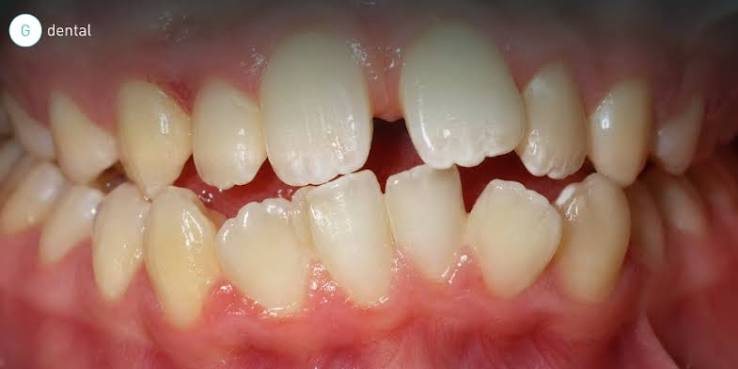

Clear aligners and fixed braces can both move adult teeth, but they suit different treatment needs and daily routines. Aligners are removable and less noticeable in many situations, while braces stay on the teeth and can provide different control for some movements. An examination is needed to decide which options are clinically reasonable for your bite and oral health.
For adult teeth straightening Greensborough, begin with the problem you want assessed rather than choosing from appearance alone. The plan should explain what each option can address, its limitations, likely responsibilities, material risks and what happens after active treatment.
How clear aligners work
Clear aligners are a planned sequence of removable trays. Each tray is shaped to guide selected tooth movement over time. Small tooth-coloured attachments may be bonded to teeth to give the tray additional grip.
The trays need to be worn according to the treating clinician’s instructions. They are removed for eating and for cleaning the teeth. Losing wear time can affect tracking and may lead to a revised sequence.
A digital plan is useful for staging movement, but the animation is not a guaranteed result. Teeth move biologically and may respond differently from the model. Reviews allow the dentist to check tracking and oral health.
G Dental provides Invisalign treatment in Greensborough. Brand availability does not mean aligners suit every person.
How fixed braces work
Fixed braces use brackets attached to teeth and an archwire that guides movement. Other components may be added according to the plan.
Because braces remain in place, the patient does not need to remember to insert them each day. They do require careful cleaning around brackets and wires and attention to foods or habits that can damage components.
Braces can be metal or use more tooth-coloured materials in some cases. Visibility, durability and cost vary. Ask which system is being proposed and why.
The presence of braces does not make treatment automatic. Reviews, oral hygiene and following instructions remain important.
Which option provides more control?
That depends on the movement. Fixed appliances can give the clinician direct control of several types of tooth movement. Aligners can also manage a wide range of cases when properly planned, sometimes with attachments, elastics or other aids.
Certain rotations, vertical movements, root positions or bite relationships may make one approach more predictable. A complex case may require specialist assessment.
Do not accept a universal claim that aligners can treat everything or that braces are always more effective. Ask the clinician to identify the movements in your case and explain the evidence behind the recommendation.
If both are reasonable, the decision can then include lifestyle, appearance, hygiene and cost.
Appearance at work and socially
Aligners are transparent but not invisible. Attachments, elastics and the edges of trays may be seen at close range. Speech can change briefly while a person adapts.
Metal braces are visible. Ceramic braces may appear less prominent, but the wire and components remain. Colour and appearance can change with foods and habits.
Ask to see an unused appliance or model rather than relying on edited marketing images. Never assume a stock photograph shows a patient of the practice or a typical result.
For some adults, appearance is the deciding factor. Others prefer the certainty of an appliance they cannot remove. Neither preference is trivial if it affects whether the plan is followed.
Eating and drinking
Aligners are normally removed for meals. This avoids chewing with the trays, but it creates a routine of removal, safe storage, cleaning and reinsertion.
Braces stay in place while eating. The clinician may advise avoiding hard or sticky foods that can damage brackets and wires. Food can collect around components, requiring careful cleaning.
If your work involves frequent tastings, long meetings, shift work or limited access to a bathroom, discuss it honestly. A theoretically discreet aligner can become inconvenient if removal and cleaning are difficult throughout the day.
Follow the specific instructions supplied with the appliance. General internet lists may not reflect your treatment.
Cleaning teeth and gums
Aligners can be removed for brushing and cleaning between teeth, which many people find helpful. The trays also need to be cleaned and should not be replaced over food debris.
Braces create extra surfaces where plaque and food can collect. The clinician can show suitable brushes, flossing aids and technique.
Both options require healthy gums and control of active decay. Treatment may need to pause if oral disease develops.
The Australian Dental Association’s oral hygiene guidance covers the foundations, while G Dental can tailor advice to an appliance. Regular check-ups and cleans may form part of maintaining oral health during treatment.
Comfort and adjustment
Both aligners and braces can cause pressure or tenderness as teeth move. Aligners may create irritation at an edge, while brackets or wires can rub the cheeks and lips.
No option should be described as pain-free. Ask what is commonly experienced, which symptoms warrant a call and what comfort measures are appropriate for you.
A broken bracket, protruding wire or tray that no longer seats properly needs advice. Do not bend components or skip ahead in an aligner sequence without instruction.
Significant pain, swelling, trauma or another urgent dental problem should be assessed rather than attributed automatically to orthodontic adjustment.
Appointments and daily responsibility
Both systems require reviews. Appointment frequency depends on the plan and response.
Aligner wear places more daily control with the patient. Trays must be worn, changed and stored as directed. Fixed braces remove the choice to take the appliance out, but patients need to protect components and keep them clean.
Think about which responsibility fits your habits. If you frequently lose removable items, aligners may create frustration. If food restrictions and visible appliances are a major concern, braces may be harder to live with.
Honesty here improves treatment planning. It is better to choose a workable method than the one that sounds attractive in a short advertisement.
What happens if treatment does not track as planned?
With aligners, the clinician may rescan and order refinement trays. Attachments or wear instructions may change. Ask what refinement is included in the agreement.
With braces, wires, elastics or other components may be adjusted as treatment progresses. Breakages can delay planned movement.
Neither pathway can promise a fixed completion date. Biological response, oral health, attendance and appliance use affect progress.
Ask how the clinician decides treatment is complete and what compromises might remain. Informed consent includes the possibility that not every hoped-for change is achievable or appropriate.
Retainers apply to both choices
After active tooth movement, retainers help maintain the new positions. They may be removable, fixed or a combination.
Ask about retention before choosing treatment. The plan should state the type, wear instructions, reviews and replacement arrangements.
Teeth can move over time, and no provider should promise permanent alignment without ongoing retention. The retainer itself can wear, break or stop fitting.
Include retention when comparing cost. An estimate that excludes retainers is not equivalent to one that includes them.
What changes the cost?
No figure appears because G Dental’s prices require confirmation with complete inclusions. Cost can vary with diagnosis, treatment complexity, appliance system, records, reviews, refinements, additional aids and retainers.
An adult teeth straightening Greensborough estimate should therefore state the appliance, treatment stages and retention rather than relying on a starting price.
Ask whether oral-health treatment before straightening is separate. Check policies for broken appliances, replacement aligners, missed appointments, transfer and early termination.
Health fund orthodontic benefits vary. Request item numbers and seek a written benefit estimate from your fund rather than assuming cover from the policy name.
Who may suit clear aligners?
Aligners may suit adults whose tooth movement can be managed with the system, whose teeth and gums are healthy enough for treatment, and who can wear and care for trays consistently.
They may not suit someone whose required movement needs another method, who is unlikely to achieve the required wear, or whose active oral disease needs treatment first.
Some complex cases need a specialist orthodontist. A responsible assessment includes referral where appropriate rather than presenting one in-house service as the answer to every case.
Choosing no elective treatment is also valid. The dentist should explain health needs separately from appearance goals.
Who may suit fixed braces?
Braces may suit adults who need movements better controlled with a fixed appliance or who prefer not to manage removable trays. They can also be an option where aligner wear is unlikely to be consistent.
They may not suit someone unable to maintain cleaning around components or where another health issue needs attention first. Material choice and appearance should be discussed.
Fixed braces do not remove the need for cooperation. Appointments, elastics where prescribed, cleaning and avoiding damage remain important.
Suitability depends on the individual plan, not age alone.
Questions to ask at the assessment
Healthdirect also provides an independent Australian overview of braces and orthodontic care. Use it to prepare questions, then rely on the treating clinician’s examination for individual advice.
- What diagnosis are we treating?
- Which movements are planned?
- Are both aligners and braces clinically reasonable?
- What are the limits and risks of each in my case?
- Will attachments, elastics or other aids be needed?
- What daily routine does each require?
- What does the estimate include?
- How are refinements or breakages handled?
- What retention is proposed?
- Would specialist referral be appropriate?
Take the written plan home if you need time. Elective treatment does not require an immediate decision.
Arrange an adult teeth-straightening assessment
For adult teeth straightening, Greensborough patients should expect the recommendation to follow examination of the bite, teeth and supporting tissues.
G Dental provides general and family dentistry at 137 Grimshaw St, Greensborough. It offers clear aligners and dental braces within its published services, with referral where another level of care is appropriate.
To discuss adult teeth straightening in Greensborough, read about clear aligners at G Dental, call (03) 9435 6063 or use the website enquiry form. Thursday appointments extend until 8:00 pm, subject to availability.
Frequently asked questions
1. Are aligners invisible?
They are transparent but can still be seen, particularly with attachments or elastics.
2. Are braces faster than aligners?
Not universally. Timing depends on the planned movement, system, response and patient cooperation.
3. Can I switch during treatment?
Possibly, but a change may require new records, planning and cost. Discuss the reason and implications first.
4. Do adults need retainers?
Retention is normally part of maintaining tooth positions after active movement. The clinician should explain the individual plan.
5. Can a general dentist provide aligners?
Registered dentists can provide treatment within their competence. Some cases may require or benefit from specialist orthodontic assessment.

