



A loose dental implant needs assessment, but the part you feel moving may not be the implant fixture in the jaw. Movement can come from the crown, the small connector called an abutment, a retaining screw or, less commonly, the implant itself. Those situations require different treatment, so avoid testing it repeatedly with your tongue or fingers.
Stop chewing on that side and call our Greensborough practice on (03) 9435 6063. If you have rapidly increasing facial swelling, fever, heavy bleeding or difficulty breathing or swallowing, seek urgent care. Otherwise, an early dental appointment helps us identify the moving component before more damage occurs.
This guide will explain how an implant restoration is assembled, the signs that help us localise movement and the common reasons looseness develops. We will then walk through the examination, possible treatment and long-term care without assuming that every loose feeling means implant failure.
What parts make up a single dental implant tooth?
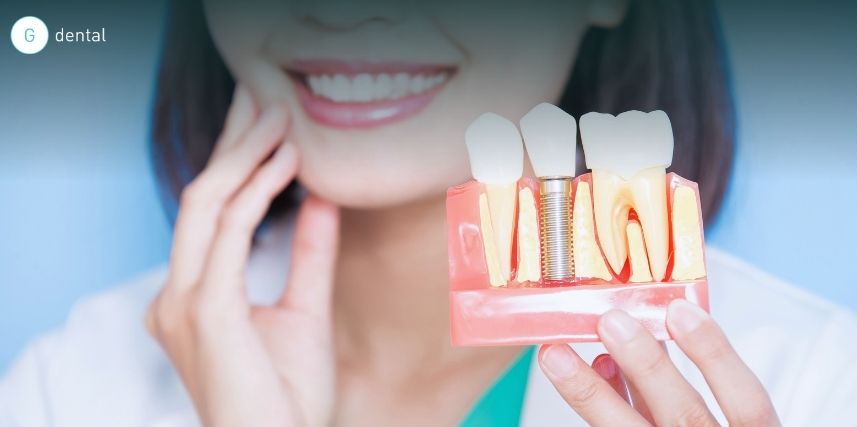
A restored implant usually has three main parts. The implant fixture sits in the jawbone. An abutment connects to the fixture, and the visible crown attaches above it. Depending on the design, screws or dental cement may retain the restoration.
Understanding those parts makes the symptom easier to describe.
| What seems to move | What may be involved | Why assessment matters |
| The visible crown rocks slightly | Crown, cement or retaining screw | Continued movement can damage components or surrounding tissue |
| The crown and connector move together | Abutment screw or connection | The restoration may need removal and inspection |
| The whole implant feels mobile | Bone support or integration may be affected | Prompt assessment is important |
| No movement, but biting feels different | Crown contact, screw or neighbouring tooth may be involved | Bite and restoration need checking |
| Gum is swollen or bleeding | Inflammation, plaque retention or another local problem may exist | Gum and bone health need assessment |
Our dental implant service in Greensborough outlines the planned stages from assessment to the final crown. Once treatment is complete, the restoration still needs daily cleaning and professional review.
What does a loose dental implant feel like?
The first sign may be subtle. You may notice a click while chewing, a crown that seems to rotate, a new space catching food or a bite that no longer meets in the same way. Some people feel movement only when flossing.
Other signs worth reporting include:
- tenderness when biting
- gum redness, bleeding or swelling
- a bad taste or discharge
- food trapping around the crown
- a visible gap near the gum
- a chipped crown or sudden bite change
- discomfort that is new or increasing
Pain is not required for a problem to exist. Equally, soreness around an implant does not prove that the fixture is loose. Gum inflammation and bite overload can cause discomfort without fixture movement.
Why can an implant restoration become loose?
Once we know what you feel, we consider both mechanical and biological causes. These can overlap, which is why tightening a screw without examining the bite and surrounding tissue may not solve the problem.
A retaining screw has loosened
Chewing creates repeated forces. A screw can lose preload over time, particularly if the bite is heavy or the restoration design concentrates force. Teeth grinding may increase that load.
A loose screw may produce clicking or crown movement. Continuing to chew can damage the screw, connection or crown, so book before the movement becomes larger.
Cement holding the crown has released
Some implant crowns are cement-retained. If the cement seal fails, the crown may loosen while the underlying implant remains stable. We need to remove or reseat it properly and check the fit; household adhesive is never appropriate.
The crown or another component has fractured
Porcelain, restorative material or a screw can chip or fracture. You may feel a rough edge rather than obvious movement. Keep any piece that comes away and bring it to the appointment.
The bite has changed or is overloaded
Natural teeth have a small amount of movement through their supporting ligament; implants do not respond in exactly the same way. A contact that becomes too heavy can place repeated load on the implant restoration.
We assess the whole bite rather than grinding the crown based only on a quick impression. Clenching and teeth grinding may also need discussion.
Inflammation has affected the surrounding tissues
Plaque can inflame the gum around an implant. More advanced disease can involve supporting bone. Smoking, diabetes control, cleaning access and previous gum disease may affect risk, but no single factor gives the same answer for everyone.
The Australian Dental Association’s guide to gum disease treatment and maintenance emphasises ongoing home cleaning and professional review after treatment. Similar maintenance principles matter around implants.
The implant has not integrated or has lost support
True fixture mobility is more serious. It can occur when integration has not developed as planned or when support is later affected. This cannot be diagnosed by an article or by how the crown looks.
If we confirm movement of the fixture, we discuss the available options, risks and timing. No responsible clinician should promise that every implant can be saved.
What should I do until the appointment?
The aim is to protect the area, not repair it at home.
- Avoid chewing on the affected side.
- Choose softer food and keep hard or sticky food away from the restoration.
- Clean gently using the method already recommended for you.
- Keep any piece that comes out in a clean container.
- Note when movement began and whether it is worsening.
- Bring details of the implant system if treatment was completed elsewhere and you have them.
- Call if pain, swelling or bleeding increases.
Do not:
- wiggle the crown repeatedly to test it
- tighten a visible screw yourself
- use superglue or temporary household adhesive
- sleep with a detached component loose in your mouth
- delay simply because there is no pain
If the crown comes off completely, keep it safe and call. Do not push it back into place where it could loosen again and be swallowed or inhaled.
When is the problem urgent?
A loose restoration usually needs prompt dental care rather than a hospital visit. The urgency changes when infection, airway risk or significant bleeding is present.
Call us promptly for movement, clicking, pain on biting, gum swelling, discharge or a component that has come away. Healthdirect’s guidance on toothache and gum swelling advises urgent medical care when swelling causes breathing or speaking problems or spreads around the eye or neck.
Seek emergency medical care for:
- difficulty breathing or swallowing
- rapidly spreading facial or neck swelling
- heavy bleeding that will not settle
- a serious facial injury
- signs of a severe allergic or medical reaction
For a routine but prompt implant review, we can offer appointments within our published hours, including Thursday evening and every second Saturday.
What happens at the implant review?
We first ask when the change began, whether the implant was recently restored and whether you grind your teeth. We examine the crown, gum, bite and neighbouring teeth without deliberately stressing the fixture.
Depending on the findings, the review may involve:
- Checking whether the crown, abutment or whole fixture moves.
- Assessing bite contacts and signs of grinding.
- Examining gum health, plaque access and pocketing where appropriate.
- Taking an X-ray when it can provide relevant information about components or bone.
- Removing the restoration carefully if access to the connection is needed.
- Identifying the implant system and compatible components.
- Explaining whether repair, replacement, monitoring or another plan is suitable.
Can the crown simply be tightened?
Sometimes a loose screw can be accessed, inspected and managed. Before doing that, we need to understand why it loosened and whether any part is damaged. Tightening a compromised screw or ignoring a heavy bite may lead to another failure.
Possible plans include:
| Finding | Possible next step |
| Loose screw with serviceable components | Inspect, retighten or replace components as clinically appropriate |
| Crown has debonded | Assess the crown and connection before recementing or remaking |
| Crown is fractured | Repair may be possible in selected cases; replacement may be discussed |
| Gum inflammation | Improve cleaning access and treat the surrounding tissues |
| Bite overload or grinding | Adjust the treatment plan and discuss protective strategies |
| Fixture mobility or bone concern | Further assessment and a different treatment plan are required |
The answer varies with implant design, component condition and tissue health. We provide a written plan where further treatment is proposed.
Who may suit implant repair, and who may need another plan?
Repair may suit a person whose implant fixture and surrounding tissues remain stable while the crown or connection has a manageable mechanical issue. A new crown may be considered when the existing restoration is damaged or no longer fits adequately.
A different plan may be needed when the fixture is mobile, bone support is affected, infection is uncontrolled or components cannot be identified or safely reused. Health conditions, medicines and smoking may also influence healing and treatment choices.
We will explain the realistic options, including their limitations. Implant treatment is not maintenance-free, and the lifespan of a repair varies with the components, bite, tissue health and ongoing care.
How can I care for the implant after repair?
Once the immediate issue is managed, prevention focuses on cleaning, load and review.
- Brush twice daily with fluoride toothpaste.
- Clean around the implant using the aid we recommend for its shape.
- Attend review and professional cleaning at the interval advised for you.
- Wear a prescribed night guard if grinding has been identified.
- Avoid using the restoration to crack hard foods or open packaging.
- Report clicking, food trapping, bleeding or movement early.
- Keep diabetes and smoking discussions part of your broader health care where relevant.
The ADA’s flossing and interdental-cleaning guide describes floss threaders, interdental brushes and water flossers as options in different situations, including around implants. We can show you which size and method suit your restoration.
Arrange an implant assessment in Greensborough
A loose dental implant sensation should be checked early, but it does not automatically mean the fixture has failed. The crown or connection may be the moving part, and the examination is how we tell the difference.
G Dental is at 137 Grimshaw Street, Greensborough. Give us a ring on (03) 9435 6063 and describe whether the crown moves, clicks or hurts when you bite. You can also use the enquiry form for a non-urgent appointment.
Frequently asked questions
Is a loose implant crown an emergency?
It needs prompt assessment, especially if it is worsening or could detach. Breathing difficulty, rapidly spreading swelling or uncontrolled bleeding requires emergency care.
Can I glue the crown back on?
No. Household glue can damage tissues and components and may make proper treatment harder. Keep the crown in a clean container and call us.
Will a loose screw damage the implant?
Continued movement can wear or fracture components and affect surrounding tissue. Avoid chewing on it and arrange a review.
Does movement always mean implant failure?
No. The crown, cement, screw or abutment may be moving while the fixture remains stable. An examination determines which part is involved.

