


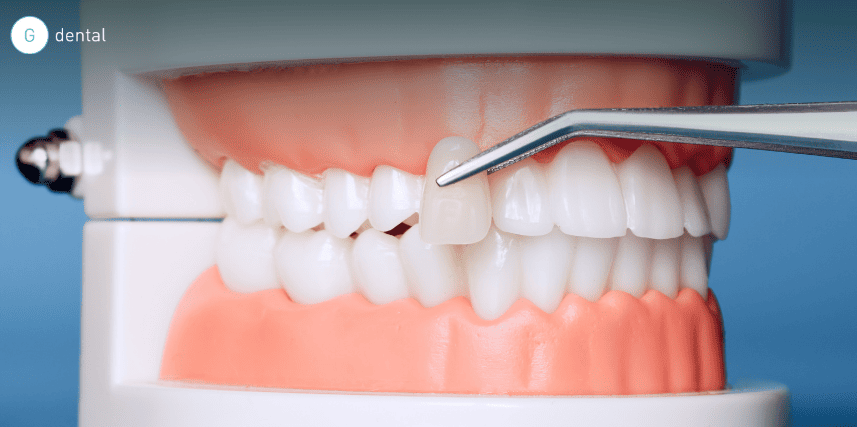

A chipped veneer may sometimes be smoothed or repaired, while a larger fracture, repeated chip or loose porcelain veneer may need replacement. The decision depends on the veneer material, the size and position of the damage, the condition of the tooth underneath and the forces in your bite.
Keep any detached piece, avoid chewing on that side and call our Greensborough practice on (03) 9435 6063. Do not file the edge or use glue. If the chip followed a facial injury, the tooth may have damage that is not visible, so an examination matters even when the veneer is the only obvious change.
This guide will help you protect the tooth, understand why veneers chip and see how we decide between polishing, repair and replacement. We will also cover suitability and prevention honestly, because no dental restoration is immune to wear or future treatment.
What should I do immediately?
First, check whether the veneer is chipped, loose or completely detached. Do not keep pressing it to see whether it moves. Rinse gently with water and look for bleeding, tooth movement or facial swelling.
Use this table to decide the next step.
| What happened | What to do now | How quickly to call |
| Small rough edge, no pain or trauma | Avoid biting with the tooth and leave the edge alone | Arrange a dental review |
| Larger piece has broken away | Keep the piece in a clean container and protect the tooth | Call promptly |
| Veneer is loose or rocking | Do not pull it off or chew on it | Call promptly because it may detach |
| Tooth is painful, sensitive or mobile | Avoid pressure and seek assessment | Same day where possible |
| Facial injury, heavy bleeding or jaw problem | Follow dental-trauma advice | Seek urgent care |
| Difficulty breathing or swallowing | This is a medical emergency | Call 000 or attend emergency care |
Healthdirect’s dental injury guide advises dental assessment after a mouth injury because not all damage can be seen. Bring any broken tooth or restoration fragment with you.
What is the difference between porcelain and composite veneers?
Once the immediate situation is stable, the veneer material shapes the repair options. Porcelain veneers are thin shells made outside the mouth and bonded to the tooth. Composite veneers use tooth-coloured resin placed and shaped directly.
| Feature | Composite veneer | Porcelain veneer |
| How it is made | Resin is shaped directly on the tooth | A thin ceramic shell is generally made outside the mouth |
| Small chip management | Direct repair may be possible | Polishing or bonded repair may be possible in selected cases |
| Larger fracture | Repair or replacement depends on remaining material | Replacement is more commonly considered |
| Colour and surface | Can stain and wear over time | Usually more stain-resistant, but can still fracture |
| Appointment needs | Often repairable directly | Replacement commonly involves planning and laboratory stages |
These are general differences, not a recommendation. We need to identify the material and examine the tooth before advising you.
Why did the veneer chip?
A chipped veneer can follow one clear incident or several smaller forces over time. Finding the cause matters because repairing the surface without addressing the load can lead to another chip.
Biting a hard object
Ice, hard lollies, bones, nutshells and using teeth to open packaging can fracture restorations and natural teeth. A front veneer is designed for normal biting, not as a tool.
Teeth grinding or clenching
Grinding can place repeated side-to-side or heavy contact on veneers. You may also notice flattened teeth, jaw fatigue, morning headaches or chips elsewhere. If grinding contributes, we may discuss bite management or a protective splint after assessing you.
An uneven or changing bite
Teeth can move, and restorations can wear. A once balanced contact may become heavier. New dental work elsewhere can also change how teeth meet. We check the bite rather than repairing the veneer in isolation.
Bond or tooth changes
Decay, enamel changes or a bonding problem can reduce support. The veneer may loosen or fracture around the margin. Cleaning and regular review matter because the natural tooth can still develop disease.
Trauma
A sporting impact, fall or accident can damage the veneer, tooth root, pulp or surrounding bone. Pain may develop later. Tell us what happened and whether the tooth feels displaced or numb.
Can a chipped veneer be polished?
A very small superficial roughness may sometimes be smoothed and polished. This can improve comfort, but it changes the contour slightly and is not suitable for every chip.
We first check:
- how much material is missing
- whether a crack extends further
- whether the margin remains sealed
- whether the tooth underneath is exposed or damaged
- how the opposing teeth contact the area
- whether the appearance remains acceptable to you
Polishing is a conservative option when the defect is small. It is not a way to hide a structural fracture.
When can composite repair work?
Composite resin may be used to repair some chips, including selected damage to a porcelain veneer. The surface needs careful preparation, and the bond may behave differently from the original veneer-to-tooth bond.
A repair may suit a localised chip where the main veneer remains secure, and the bite can be managed. Its colour, surface and longevity may not match an intact porcelain veneer perfectly. We explain that trade-off before you choose it.
For a composite veneer, direct repair is often more straightforward because additional resin can be bonded to the existing material after appropriate preparation. The surrounding veneer and tooth still need assessment.
When is replacement more likely?
Replacement may be discussed when a large section is missing, a crack runs through the veneer, the restoration is loose, the margin no longer fits, decay is present or previous repairs keep failing.
The process can involve:
- Examining the tooth and taking an X-ray if clinically indicated.
- Removing the damaged veneer without promising that all underlying tooth structure will remain unchanged.
- Treating decay or another tooth problem first.
- Taking a scan or impression for a new porcelain veneer where chosen.
- Using a temporary restoration if appropriate.
- Checking fit, colour and bite before bonding the final veneer.
Replacement is not automatically the correct choice for every chip. It involves cost, time and further treatment of a tooth that has already been prepared, so we compare it with repair honestly.
Who may suit repair, and who may need a different plan?
A small, accessible chip in a stable veneer may suit polishing or bonded repair. The person should understand that a repair line or colour difference can sometimes remain and that future maintenance may be required.
Replacement or another restoration may be more suitable when:
- the veneer is extensively fractured or detached
- decay or a damaged margin is present
- very little sound enamel remains for bonding
- the bite places repeated heavy force on the veneer
- the tooth has a deeper crack or needs root canal treatment
- the shape or function required cannot be achieved predictably with a repair
Some teeth need a crown rather than another veneer, while others may be restored more conservatively. Our porcelain veneer service and composite veneer service describe the two treatment types, but an examination determines what suits the damaged tooth.
What changes the cost?
We do not quote one figure because a quick polish, direct composite repair and laboratory-made replacement are different procedures. The estimate can change with:
- veneer material
- size and location of the fracture
- condition of the underlying tooth
- whether imaging or other treatment is needed
- whether one or several veneers are involved
- laboratory work and temporary restoration needs
- bite management or a protective splint
We provide a treatment plan after assessment. If you have private health cover, available benefits depend on your policy and item numbers. HICAPS can process eligible on-the-spot claims, but your fund decides the benefit.
How can I reduce the risk of another chip?
After repair or replacement, the aim is to protect both the veneer and natural tooth.
- Do not bite ice, nutshells or hard objects with veneered teeth.
- Never use your teeth to open packaging.
- Wear a sports mouthguard for contact or collision activities.
- Use a prescribed night guard if grinding has been assessed.
- Brush twice daily with fluoride toothpaste.
- Clean between the teeth every day.
- Attend the review interval recommended for you.
- Report a rough edge, movement or bite change early.
Avoid abrasive DIY polishing products. They can alter the veneer surface and make staining or plaque retention worse.
Arrange a veneer assessment in Greensborough
A chipped veneer is often manageable, but the right option depends on more than the visible missing piece. We need to check the veneer, tooth and bite before recommending repair or replacement.
G Dental is at 137 Grimshaw Street, Greensborough. Give us a ring on (03) 9435 6063 and tell us whether the veneer is rough, loose, painful or damaged after an injury. Same-day appointments may be available within opening hours, and non-urgent enquiries can be sent through the website form.
Frequently asked questions
Can I use a nail file on a sharp veneer?
No. Filing can worsen the damage and change the contour. Avoid chewing on it and arrange a review.
Can the broken piece be glued back?
Sometimes a fragment may help with assessment, but do not use household glue or try to bond it yourself. Keep it clean and bring it with you,
Will a repaired veneer look the same?
Colour, texture and repair visibility vary with the material and damage. We will explain what is realistically achievable before treatment.
Does a chip mean the tooth underneath is damaged?
Not always. The tooth may be intact, but cracks, decay or trauma can be hidden. Examination and, where justified, imaging help us assess it.

