


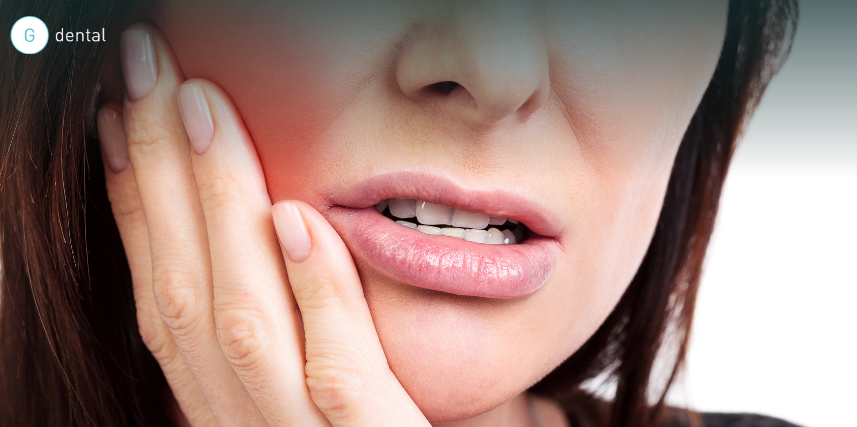

That moment when you bite down on your lunch and a sharp pain shoots through one specific tooth, that’s not something you should ignore. Whether it’s a quick sting or a deep throb that lingers, tooth pain when biting is your mouth’s way of signalling that something needs attention.
At G Dental in Greensborough, we see patients from across Melbourne with exactly this complaint. The good news? Once we know the cause of tooth pain, we can usually fix it pretty quickly. The not-so-great news? Putting it off tends to make things worse and more involved to treat.
Let’s walk through the common causes of tooth pain when biting and what you can do about it.
Did you know? According to the Australian Institute of Health and Welfare (AIHW, 2025), poor oral health, mainly tooth decay, gum disease and tooth loss, affects many Australian children and adults. And yet 61% of Australians made a conscious decision to delay dental treatment in the past 12 months (ADA Annual Oral Health Survey, 2024).
Why Does a Tooth Hurt When You Bite Down?
Healthy teeth don’t hurt when you chew. So when one specific tooth hurts, it means pressure is applied to the tooth and something inside or around it is responding to that pressure in a way it shouldn’t.
The tooth structure itself is layered. On the outside, you have enamel, the hardest material in your body. Beneath that is dentine, a softer layer full of tiny nerve channels. Deep inside the tooth sits the dental pulp, which contains the nerve and blood supply. When any of these layers are compromised or when the surrounding gum or bone is inflamed, biting down creates pain signals that travel up through the nerve.
The type of pain often tells us a lot:
- A sharp pain that fades quickly can point to a cracked tooth or a worn enamel surface
- A deep throb that lingers after you stop chewing often suggests pulp involvement or an abscess
- Pain when you bite only on certain angles can indicate a cracked tooth that flexes under pressure
- Discomfort when biting alongside sensitivity to hot or cold is a classic sign of decay reaching the nerve
- Throbbing pain accompanied by swelling usually means infection is present
Common Causes: Cracks, Decay, Infection and Fillings
There are several possible reasons a tooth hurts when you bite. Here are the most common causes of tooth pain we see at our Greensborough clinic.
Cracked tooth
A cracked tooth is one of the trickier dental problems to diagnose because cracks don’t always show up on X-rays. The pain often feels like a sharp sting that comes and goes. You might feel it when you bite down at a certain angle, then nothing when you bite somewhere else. Back teeth are especially prone to cracking because they handle most of the chewing force. People who grind their teeth or chew on hard foods regularly are at higher risk.
Cracked tooth treatment at G Dental typically involves a dental crown to hold the tooth together and prevent the crack from spreading.
Tooth decay and cavities
A cavity doesn’t always hurt right away. As tooth decay progresses and eats through the enamel into the dentine, chewing surfaces become sensitive. If the cavity reaches the pulp inside the tooth, the pain can become quite intense and a toothache may develop that doesn’t go away on its own.
AIHW data (2025) shows that nearly one in three Australian adults has at least one tooth surface with untreated decay. That’s a significant number of people walking around with a painful tooth they haven’t had looked at yet.
Small cavities are treated with composite fillings. Once decay reaches the pulp, a root canal may be needed to save the tooth.
Dental abscess
An abscessed tooth is a pocket of infection that forms at the root or in the surrounding gum tissue. The pain is usually intense and throbbing, often accompanied by swelling of the face or jaw. You might also notice a bad taste in your mouth, sensitivity to hot or cold, and jaw pain that radiates outward.
A dental abscess is a dental emergency. Infection in the mouth can spread if left untreated. Treatment typically involves draining the abscess, a course of antibiotic medication, and root canal therapy to remove the infected pulp.
Gum disease
Gum disease doesn’t just affect your gums, it also affects the bone and tissue that hold your teeth in place. When gum disease progresses to periodontitis, teeth can become loose and painful to bite on. Inflammation of the tissue around a specific tooth can also make that tooth feel sore under pressure.
Around 30% of Australian adults have moderate or severe periodontitis (AIHW, 2020), and that number climbs steeply with age.
A damaged or old filling
Old dental work can crack, chip or pull away from the tooth over time. When a filling fails, it exposes the tooth structure beneath it to pressure and bacteria. Pain when chewing on a previously filled tooth is a telltale sign the filling needs replacing.
Teeth grinding (bruxism)
People who grind their teeth, often during sleep, put enormous repetitive pressure on their teeth. Over time, this wears down enamel, can crack teeth, and cause a generalised toothache and jaw pain. If multiple teeth hurt when you bite rather than one specific tooth, teeth grinding could be a contributing factor.
Sinus pressure
This one surprises a lot of people. The roots of your upper back teeth sit very close to the sinus cavity. When the sinuses are inflamed or infected, the pressure can feel like tooth pain in multiple upper teeth. If your discomfort when biting is paired with a blocked nose or facial pressure, sinus issues could be the cause rather than a dental problem.
Wisdom teeth
Partially erupted wisdom teeth can cause significant pain and inflammation around the gum at the back of the mouth. If your wisdom teeth are coming through, they can press against neighbouring teeth and make biting feel uncomfortable across the back teeth.
Quick comparison: tooth pain causes at a glance
| Cause | Key symptom | Common treatment |
| Cracked tooth | Sharp pain at specific bite angle | Dental crown |
| Cavity / tooth decay | Dull ache, sensitivity to sweet or cold | Filling or root canal |
| Dental abscess | Throbbing pain, swelling, bad taste | Root canal, antibiotic |
| Gum disease | Sore gum, loose tooth | Deep clean, periodontal care |
| Failed filling | Pain on the site of old dental work | New filling or crown |
| Teeth grinding | Widespread jaw pain, worn teeth | Nightguard, dental care |
| Sinus pressure | Pain in multiple upper teeth | Treat sinus, see a dentist to rule out dental cause |
| Wisdom teeth | Pain at the back of the mouth | Assessment, possible extraction |
When Tooth Pain Becomes a Dental Emergency
Tooth pain isn’t something to push through with over-the-counter pain relief alone. Some situations need same-day care from an emergency dentist in
. Look out for these warning signs:
- Severe throbbing pain that doesn’t ease with over-the-counter pain relievers
- Swelling in the face, jaw or neck area
- A fever alongside tooth pain (this can indicate a spreading infection)
- Visible damage to a tooth after an injury
- Pain that makes it impossible to eat, drink or sleep
- Lingering pain after removing the source of pressure, which points to nerve involvement
Pain often feels manageable at first, but a dental abscess or deep pulp infection doesn’t resolve on its own. Delaying treatment risks the infection spreading and the tooth becoming unrestorable.
If you need an emergency dentist in Greensborough, G Dental sees urgent cases promptly.
What can I do at home in the meantime?
While you wait for your dental appointment, these steps may offer some temporary pain relief:
- Rinse gently with warm salt water (about a teaspoon of salt in a glass of warm water)
- Take over-the-counter pain relief as directed on the packet
- Avoid chewing on the affected area
- Avoid very hot or cold drinks if the tooth that hurts is temperature-sensitive
- Do not place aspirin directly on the gum or tooth, as this can cause chemical burns
These are temporary measures only. A remedy at home does not treat the underlying cause, and if pain persists, you need to see a dentist.
How G Dental Diagnoses and Treats Bite Pain
When you come into G Dental with a painful tooth, our first job is to figure out exactly what’s going on. That starts with listening to you, finding out when the pain started, what makes it worse, and whether it’s lingering or comes and goes.
From there, we use a combination of:
- Digital X-rays to check for decay, bone loss and abscess
- Bite tests to isolate the specific tooth that hurts when you bite down
- Cold sensitivity tests to check whether the nerve (the pulp) is still healthy
- Visual examination and gentle probing to check the gum tissue around the affected area
Depending on what we find, treatment might involve:
- Composite filling for a cavity that hasn’t reached the pulp
- Root canal therapy if the dental pulp is infected or inflamed. Root canal therapy in Greensborough at G Dental is a comfortable, routine procedure that saves the natural tooth and eliminates the source of pain
- Dental crown to protect a cracked or weakened tooth after treatment
- Gum treatment if gum disease is contributing to the pain
- Emergency care including drainage and antibiotic cover for an abscess
We treat patients from Greensborough and across Melbourne’s northern suburbs, including Eltham, Diamond Creek, Bundoora and beyond. If a tooth hurts when I bite is the phrase going through your head right now, it’s time to book a dental appointment and find relief sooner rather than later.
Ready to find relief? Book a dental appointment at G Dental
Tooth pain when biting is your body telling you something needs attention. Our Greensborough team is ready to help you get to the bottom of it quickly and comfortably.
Call us or book online today. Same-day emergency appointments available for urgent dental pain.
Frequently asked questions
Why does only one tooth hurt when I bite down?
Pain in a specific tooth when biting usually points to a localised problem such as a cracked tooth, cavity, failed filling or abscess. Because the nerve inside the tooth responds to pressure, any damage or infection in or around that tooth creates pain signals when you chew. A dentist can identify the exact cause quickly with an exam and X-rays.
Can a cracked tooth heal on its own?
No. Unlike bones, teeth cannot repair themselves. A cracked tooth needs professional cracked tooth treatment, usually a dental crown, to prevent the crack from worsening and causing nerve damage or splitting the tooth entirely.
How do I know if I need a root canal?
Signs that root canal therapy may be needed include: a deep, throbbing toothache, lingering pain after heat or cold is removed, swelling near the tooth, and darkening of the tooth. Your dentist will confirm this with X-rays and sensitivity tests before recommending treatment.
Is tooth pain when biting a dental emergency?
It depends on the severity. Mild discomfort warrants a prompt dental appointment. Severe throbbing pain, swelling, fever, or visible tooth damage requires same-day care from an emergency dentist. Do not wait if these symptoms are present.
Can sensitive teeth cause pain only when biting?
Sensitive teeth more commonly cause discomfort with hot, cold or sweet stimuli rather than biting pressure alone. If the pain only happens when you bite down, a crack, abscess or structural dental problem is more likely. A dentist can distinguish between the two with a simple clinical test.

